

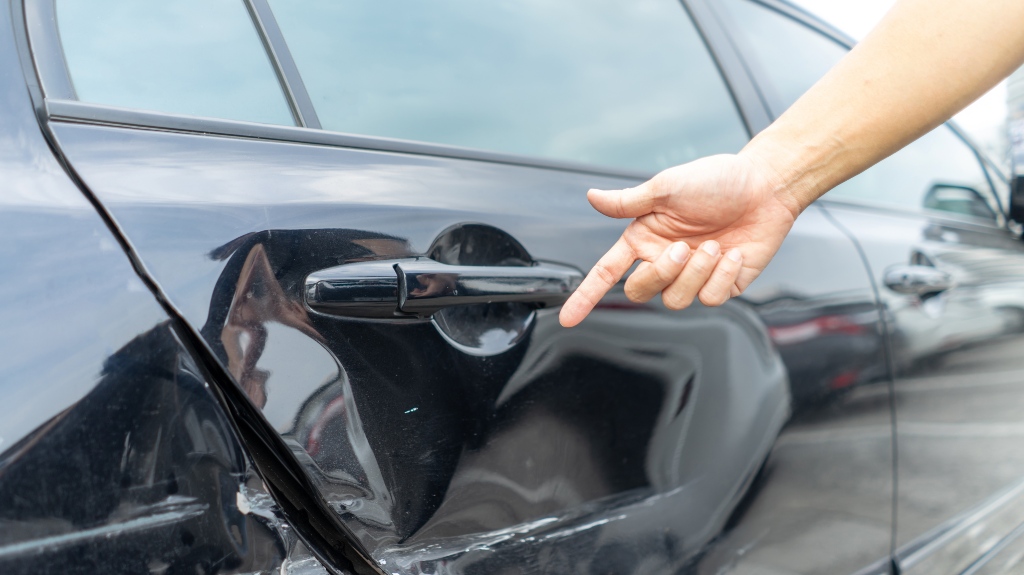
Florida has had a law against opening a car door onto a cyclist’s path for decades, and officers rarely enforce it. This gap between the law on paper and its implementation on the street makes it harder for dooring injury claims to be won than they should be. This is why the right evidence is more important than the citation.
The Law Puts the Duty on the Driver, Not the Cyclist
Under Florida’s door-opening statute, no one is allowed to open a vehicle’s door unless it is reasonably safe to do so and will not interfere with traffic. A door cannot be left open on the travel lane for longer than it takes to load or unload passengers. This rule applies to both drivers and passengers, so a passenger in the back seat swinging a door open into a bicycle lane creates the same liability issue as a driver doing so.
Florida treats cyclists riding on the road as having the same rights and duties as any other vehicle operator under the state’s bicycle regulations. That’s why a cyclist legally riding past a row of parked cars is considered “other traffic”, which the door-opening law was designed to protect.
A parked car does not get an exception to this duty. The moment the door starts to open, the person opening it becomes responsible for checking first.
A Citation Won’t Win the Case for You
Police sometimes write a citation under the door-opening statute after a door crash, and it’s tempting to assume that the citation settles who was at fault. This is not the case. Florida law keeps most traffic citations out of civil trial, so a cyclist’s injury claim still needs to be proven independently, usually through witness statements, the position of the door and bicycle after impact, and video from a nearby business or doorbell camera if it exists.
Comparative Fault Still Applies to Cyclists
Florida’s shift to a modified comparative negligence standard in 2023 under Fla. Stat. § 768.81 did not carve out an exception for bicycle accidents. A cyclist who is more than 50% at fault for a crash recovers nothing.
Insurance adjusters representing drivers sometimes argue that a cyclist was riding too close to parked cars, glossing over the fact that Florida’s bicycle law allows a rider to leave the door zone completely when conditions make it unsafe to stay there. This argument can chip away at a settlement in cases where it should not determine the outcome outright. Predictable riding does not erase a driver’s responsibility to check before opening a door.
Cyclist Safety Protections Keep Expanding
Florida has layered additional protections onto its traffic code for cyclists in recent years. Drivers overtaking a bicycle on the road must leave at least three feet of clearance. Since mid-2024, drivers who cause serious injury to cyclists can face separate civil penalties and license consequences under Florida’s vulnerable road user law. This doesn’t change how a dooring case is proven, but it reflects a legislative approach that continues to treat cyclist injuries as a separate problem rather than an afterthought to ordinary car accident laws.
The Deadline Is Shorter Than It Used to Be
A dooring injury claim is a negligence claim, and Florida’s negligence deadline has dropped from four years to two under the state’s 2023 tort reform. Waiting to see how physical therapy goes before deciding whether to pursue a claim may mean waiting past the deadline altogether.
What a Dooring Injury Actually Looks Like Under the Surface
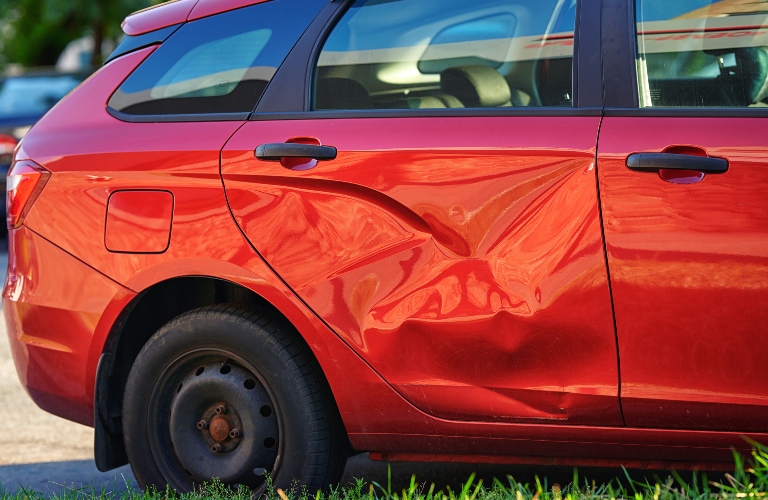
A car crash often seems minor at the scene: a car, a bicycle, maybe a scratched knee. That impression can quickly change once imaging reveals a torn labrum, a broken wrist, or head injury from being thrown onto the road. Hutch Law delves into the orthopedic and biomechanical aspects behind that type of impact, since insurance adjusters rely on cyclists’ lack of knowledge about how a body moves at riding speed when it hits a sudden, stationary obstacle. Contact us today to schedule a consultation.