

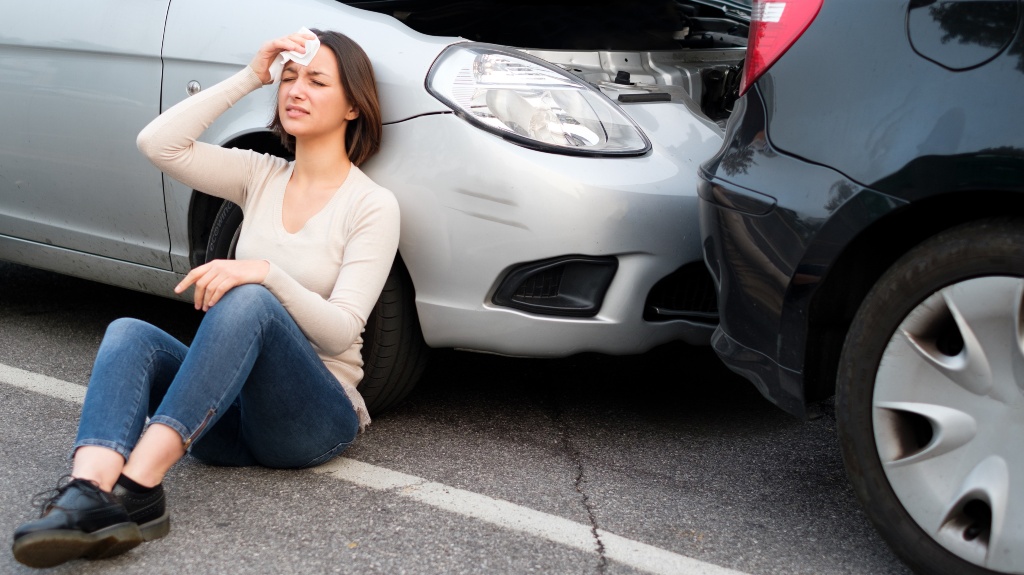
Two people can be hit by the same car in almost identical accidents, and their legal cases will still not be the same. One is the driver who was rear-ended at a red light, the other is the pedestrian who crossed the same intersection a few moments later. Florida law treats insurance coverage, fault analysis, and evidence timelines differently for each case, so knowing which set of rules apply to your case will change how it should be handled, from the first contact with an insurance adjuster to the end.
Insurance Coverage Doesn’t Work the Same Way for Pedestrians
Florida requires every registered driver to carry personal injury protection insurance. Under the state’s no-fault law, this coverage extends beyond the vehicle itself to “other persons struck by the motor vehicle,” which includes pedestrians who have never owned a car or paid insurance premiums in their lives.
If an injured pedestrian owns their own car, that policy will respond first, even if the car had nothing to do with the accident. If they do not own one, the claim will generally flow through the striking vehicle’s personal injury protection (PIP) coverage, or through the resident relative’s policy if one exists.
That order of operations rarely arises in a car-to-car accident. Two drivers, two insurance policies, no guesswork about which one applies first.
Comparative Fault Can Hit Pedestrian Claims Harder
Florida shifted to a modified comparative negligence system in 2023, and the change affected both types of claims, though not equally. Under Florida’s comparative fault statute, a plaintiff who is found to be more than 50% at fault for their own injuries does not recover anything at all.
Two drivers in a rear-end collision rarely share the blame equally. Pedestrians often do. Crossing the road in the middle of the block instead of at a designated crossing, wearing dark clothes at night, or walking out from between parked cars can all be reasons for an adjuster to raise a fault argument before the case even reaches real negotiations.
A driver who gets rear-ended faces one question about fault. A pedestrian can face three or four at once, all arguing.
The Injuries Themselves Tend to Look Different
A vehicle’s frame, crumple zones, and airbags absorb energy that would otherwise transfer directly into a human body. A pedestrian has none of this protection. Even a relatively low-speed impact can cause traumatic brain injury, spinal trauma, or multiple fractures from a single point of contact. This is why pedestrian injury cases often turn on medical evidence rather than property damage estimates.
Liability Investigations Move in Different Directions
Florida law requires drivers to exercise due care to avoid collision with pedestrians. From 2024, drivers who cause serious injury to pedestrians or cyclists can face civil penalties and loss of license under Florida’s Vulnerable Road User Law. A standard car accident investigation centers on lane positioning, following distance and signal timing, while a pedestrian case also considers crosswalk timing, sidewalk lighting and whether the driver actually saw the pedestrian before the impact.
A citation that an officer writes at the scene does not decide a civil case either. Florida law prevents most traffic citations from being brought into a civil trial, so an injury claim must still be proven with independent evidence, regardless of what is written in the citation.
The Filing Deadline Is the Same, But the Evidence Disappears Faster
Both pedestrian and car accident claims now fall under the same two-year statute of limitations, reduced from four years since Florida’s tort reform took effect in 2023. What differs is how quickly evidence disappears. A car accident generates a police report based on a vehicle-to-vehicle collision, while a pedestrian case often relies on traffic camera footage, 911 recordings, and eyewitness testimony, all of which fade quickly when there is no second vehicle to document the point of impact.
Get the Medicine and the Law Right the First Time
You only get one chance to make this claim, and insurance adjusters already know which of the above differences apply to your case before you do. Hutch Law reviews the medical aspect of an injury as thoroughly as the police report – the imaging, the mechanism of impact, and the orthopedic and neurological findings that actually explain what happened to your body – because that level of detail is usually where a fair settlement is won or lost. Contact us today to schedule a consultation.