
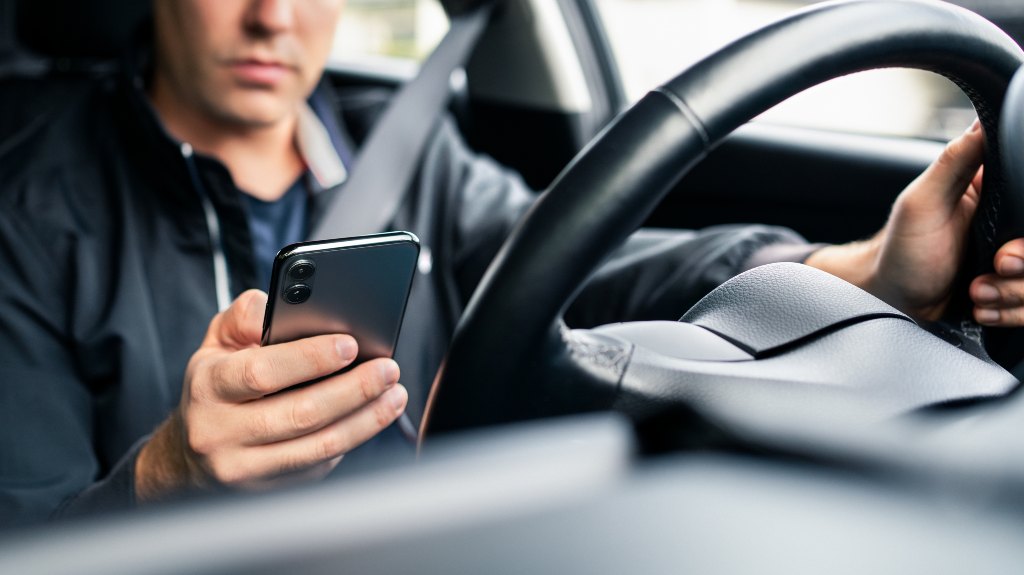
Florida recorded more than 53,000 distracted driving accidents in a single year. Nearly 300 people died and thousands more were seriously injured – fractured spines, traumatic brain injuries – lives permanently altered by someone who chose to look at their phone. If you were injured in one of these accidents, what happens next is very important.
What Florida Law Says About Distracted Driving
Under Florida Statute § 316.305 – the “Florida Ban on Texting While Driving Law” – drivers are prohibited from manually typing or reading messages on any wireless device while operating a moving vehicle. Texting is a primary offense, meaning law enforcement can pull a driver over for it alone, without needing any other traffic violation as a trigger.
The rules are further tightened in school zones and active work zones. The Florida Statute, § 316.306, bans all use of handheld devices in those areas – not just texting. Any violation is a moving violation carrying three points on a driver’s license and increased fines.
As of 2026, Senate Bill 1152 proposes extending the hands-free driving requirement statewide in Florida. Although the state has not yet implemented this change, legislative direction is clear.
Distracted Driving Goes Beyond Phones
Phone use is the most visible form of distraction. It is also not the only thing that matters in a personal injury case.
Florida courts recognize three types of driver distraction:
- Visual distraction involves taking your eyes off the road, such as checking a screen, reading a billboard, or looking at a passenger.
- Manual distraction involves taking hands off the wheel, such as eating, adjusting controls, or reaching for an object.
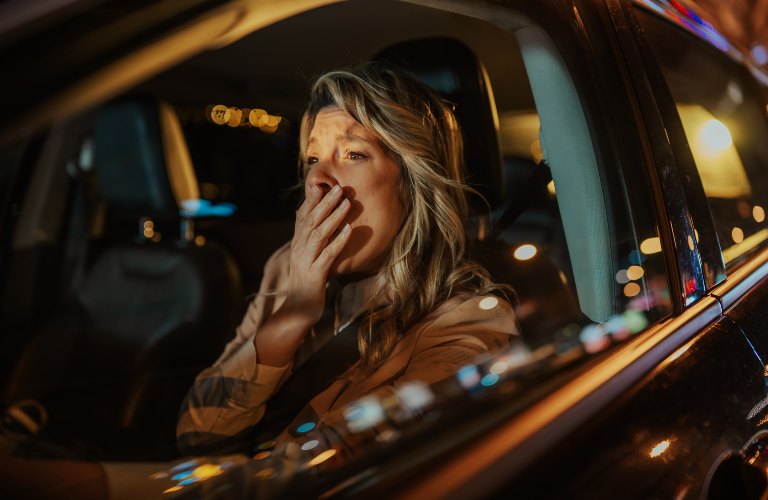
- Cognitive distraction involves your mind being off the driving task, such as daydreaming, having emotional conversations, or feeling fatigued.
Any of these can establish negligence. A driver doesn’t need to have been texting to be at fault. A driver who is eating, grooming, or programming a GPS can be held liable for the same reasons.
How Fault Is Established in These Cases
Florida follows a pure comparative negligence standard. Your compensation is reduced by your percentage of fault, but you can still recover even if you were partly responsible for the crash. That said, you need evidence – and you need it fast.
The most valuable pieces of evidence in a distracted driving case include:
- Phone records: Cell carrier data can help confirm if the at-fault driver was using their phone at the time of the accident. This information can be obtained through a formal legal request.
- Dash cam and traffic camera footage: Video from nearby intersections and businesses can provide evidence of what the driver was doing before and after the crash.
- Police reports: Officers’ observations and any statements made at the scene can be used to establish the circumstances of the incident. It’s important to request a copy of the police report as soon as possible.
- Eyewitness statements: Bystanders who witnessed the accident can provide valuable information to corroborate the account of the event.
- Event data recorders: Many modern vehicles have devices that record speed, braking, and steering information in the moments before a collision.
Evidence disappears. Footage gets overwritten. Records get lost. The window for preserving what you need is narrow.
What Compensation You May Be Entitled To
Florida is a no-fault state. This means that your own Personal Injury Protection (PIP) insurance will cover your initial medical costs and a portion of lost wages – regardless of who caused the accident. PIP coverage is up to $10,000.
That’s the starting point, not the ceiling.
If your injuries meet the “serious injury” criteria in Florida, such as permanent limitations, significant scarring, or substantial disfigurement, you may be able to step outside the no-fault insurance system and file a direct claim against the at-fault party. This could lead to recovery for:
- All medical expenses, both past and future
- Full lost wages and decreased earning capacity
- Pain and suffering
- Emotional distress
- Loss of enjoyment of life
These cases are worth pursuing seriously. Insurance adjusters don’t offer maximum settlements voluntarily. They’re trained to minimize payouts, especially in situations with soft deadlines where an unrepresented victim manages their own recovery.
Don’t Wait to Get Legal Help
The statute of limitations for personal injury claims in Florida is two years from the date of the incident. Two years seems like a long time, but in practice, early cases are more likely to win. Evidence is fresh, witnesses remember more, and your lawyer has time to properly investigate the case.
Contact Hutch Firm for a free consultation. You will speak directly with an experienced Florida motor vehicle accident attorney who will tell you exactly what your situation is and what your case may be worth. This conversation will cost you nothing, but it might take some time.